Physiotherapy
Physiotherapy helps the precious little ones, enabling them to take one step at a time towards strength, independence, and a world of unlimited possibilities. Riddle Blooms brings pediatric physiotherapy that treats a wide range of disorders in children. The issues include motor delays, neuromuscular conditions, musculoskeletal injuries, balance and coordination problems, postural abnormalities, chronic pain, sports-related injuries, and physical restrictions that interfere with daily activities.
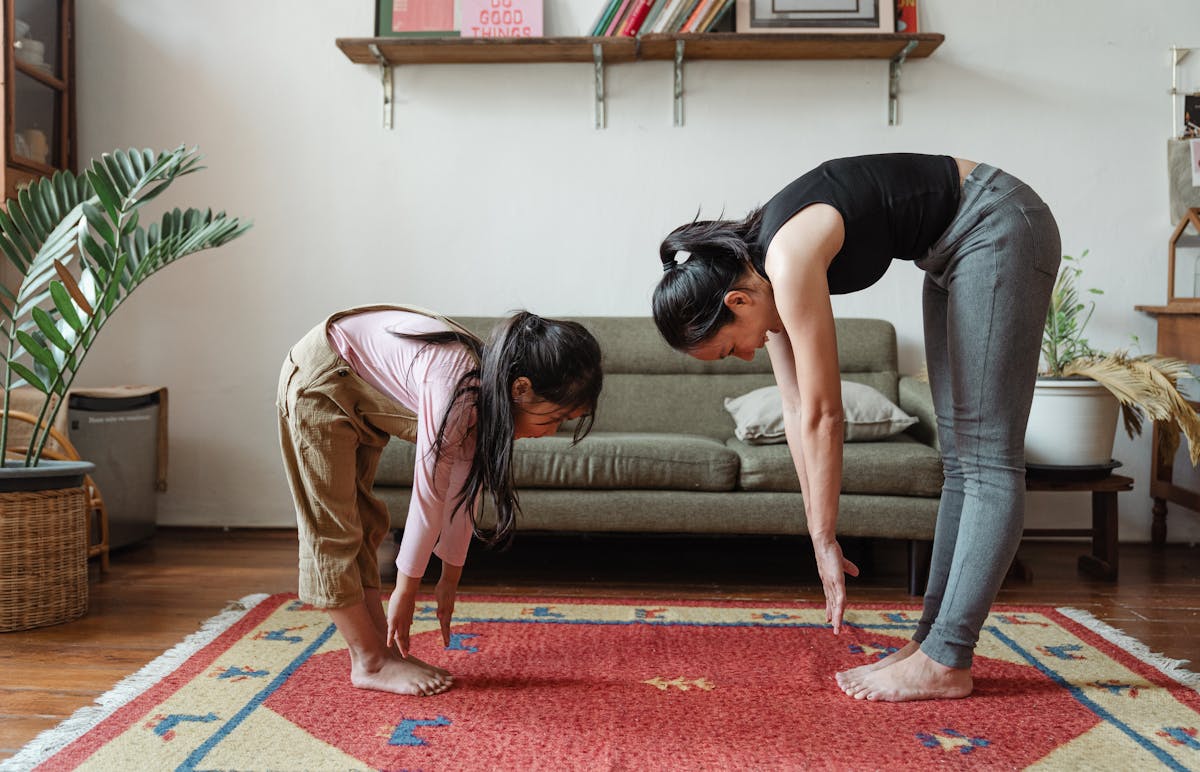
Physiotherapy: Improvement of Physical Abilities
Pediatric Physiotherapy is a specialized discipline of healthcare that focuses on improving a child's physical abilities, movement, and overall well-being. It is critical to treat the physical challenges that children with developmental or musculoskeletal disorders encounter to prevent further damage and to improve balance, strength and other motor skills.
Physiotherapy procedures are intended to support normal physical development, improve motor skills, strengthen and coordinate muscles, and reduce physical impairments that may limit a child's participation in daily activities. Some common therapies employed in paediatric physiotherapy are as follows:
Benefits of Physiotherapy
Pain Relief
Physiotherapy relieves pain and discomfort from injuries, chronic diseases, and musculoskeletal disorders using manual therapy, therapeutic exercises, and modalities like heat or cold therapy.
Improved Mobility and Function
Physiotherapists design personalized treatment regimens to help patients improve their mobility, range of motion, and physical performance.
Injury Rehabilitation
Physiotherapy is essential in the rehabilitation of patients following sports injuries, accidents, or surgeries. It promotes a safe return to physical activity while restoring strength, flexibility, and coordination.
Enhanced Strength and Conditioning
Physiotherapy uses exercises and procedures to strengthen muscles, increase endurance, and improve physical fitness levels, allowing for greater performance in sports and daily activities.
Balance and Fall Prevention
Physiotherapists use specific exercises to improve balance, coordination, and proprioception, lowering the risk of falls and injuries, particularly in older persons.
Posture Correction
Poor posture can cause a variety of musculoskeletal problems. Physiotherapy aids in the correction of postural anomalies, the strengthening of supporting muscles, and the promotion of appropriate alignment, thereby reducing discomfort and preventing long-term consequences.
Respiratory Support
Physiotherapy includes breathing exercises and strategies to improve lung function, manage respiratory diseases such as asthma, and aid in post-operative or intensive care unit care.
Chronic Disease Management
Physiotherapy assists in the management of chronic illnesses such as arthritis, diabetes, heart disease, and neurological problems, as well as in the improvement of overall health, functional abilities, and quality of life.
Health and Wellness Promotion
To enhance general well-being and prevent future health problems, physiotherapists educate and advise on injury prevention, ergonomics, fitness, and good lifestyle choices.
What Therapies Are Used?
Physiotherapy procedures are intended to support normal physical development, improve motor skills, strengthen and coordinate muscles, and reduce physical impairments that may limit a child's participation in daily activities.
Discover the Healing Touch
Riddle Blooms' holistic physiotherapeutic approach, individualized care plans, and evidence-based interventions make it an efficient and useful treatment option for a variety of conditions, assisting individuals in achieving physical goals, optimizing function, and improving the overall quality of life.
We aim to improve your child's self-esteem, improves body image, increases social participation, and promotes overall physical and mental well-being. With qualified therapists, individualized treatment plans, and a child-friendly environment, Riddle Blooms is the ideal option for pediatric physiotherapy.